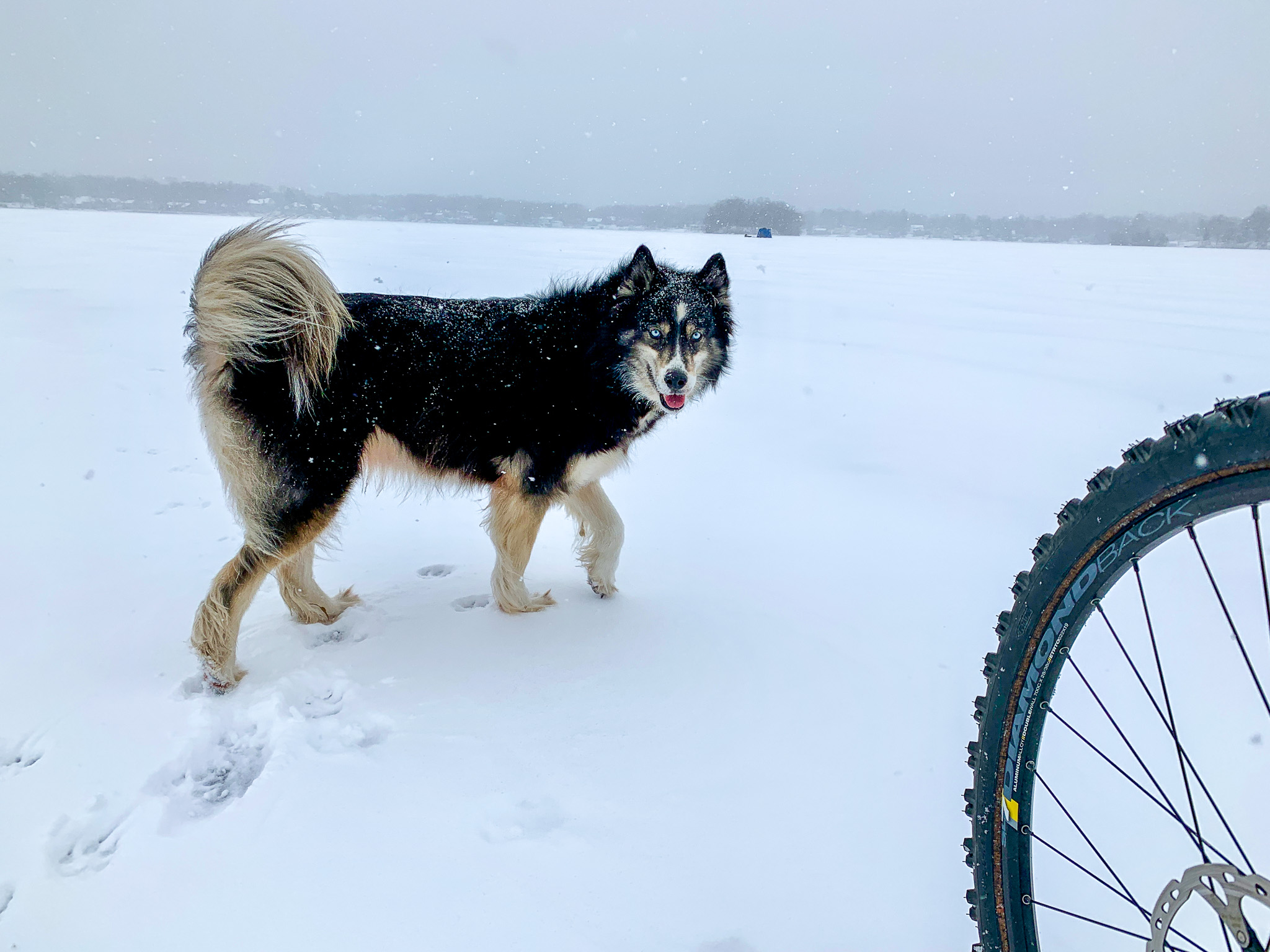
Holistic Health for Huskies: Natural Supplements That Actually Work
From pumpkin seeds to coconut oil, these are the natural supplements I added to my husky Studly's routine that made a real difference. Simple, cheap, and most of them already in your kitchen.
As I am getting older I am starting to come to the conclusion that corporations do not always have our best interests at heart, their main goal is making profit. Over the years I noticed that a few things I could do along with Stud to improve his health and mine. These methods were simple, natural, and effective. Some of them I found through research, some through other dog owners, and some just through trial and error.
None of this is a substitute for a vet. But a lot of it is cheap, safe, and genuinely useful. The goal is to have them healthy so they do not have to visit the vet. Stud lived to be 12 years old and he was around 68-80lbs. I think the biggest mistake I made was putting too much stress on him.
Pumpkin
Plain cooked or canned pumpkin, not pie filling, is one of the most useful things you can keep in your pantry if you have a dog. It is high in soluble fiber which means it works in both directions. If your dog has loose stools, pumpkin firms things up. If they are constipated, it gets things moving. It is the rare food that works for both problems for the same reason.
A tablespoon or two mixed into their food is enough for a dog Stud’s size. He liked it. I started adding it regularly as a preventive and his digestion was noticeably consistent. It is also easy on the stomach, so it is one of the first things I would reach for whenever something seemed off before escalating to anything else.
Pumpkin Seeds
This one surprised me when I first read about it. Raw pumpkin seeds contain cucurbitacin, a compound that paralyzes and eliminates intestinal parasites like tapeworms and roundworms. It is not a guaranteed dewormer and will not replace a prescription treatment for a real infestation, but as a regular preventive addition to the diet it is genuinely effective and completely safe.
I would grind them fresh and mix a spoonful into Stud’s food a few times a week. You want them raw and unsalted. Roasted seeds from a snack bag are not the same thing. A grinder works well and takes about ten seconds.
Olive Oil
A small amount of olive oil in the food does two things well. First, it is a good source of oleic acid and antioxidants that support coat quality from the inside. Second, it is mildly anti-inflammatory and supports gut health. Studly’s coat was already good on a whole food diet but I noticed it had an extra sheen once I added olive oil regularly.
Just dribble it on his meal. Not a ton or you will see loose stools. It is a small thing that adds up over time. The quality matters IMO. You do along with the pumpkin seeds and you have natural de-wormer.
Coconut Oil
Coconut oil is antimicrobial and antifungal, which makes it useful both topically and as a supplement. Internally, a small amount in the food supports digestion and immune function. Externally, you can rub it directly into dry or irritated skin, cracked paw pads, or anywhere the coat seems dull or flaky. He did like the taste of this so he would lick it off which makes things worse.
For internal use, start with very small amounts because it is high in fat and some dogs need time to adjust. A quarter teaspoon to start, working up to a teaspoon over a few weeks.
One note: if your husky already has a tendency toward weight gain or a sensitive stomach, go easy. Coconut oil is calorie dense.
Bone Broth
This is less of a supplement and more of a food addition, but it belongs on this list. Unsalted bone broth added to a meal is good for joints because of the collagen and glucosamine content, good for gut health, and good for hydration. It also makes food more appealing on days when your husky is being stubborn about eating.
The key is homemade or low sodium. Store bought broth is almost always too high in sodium and often has other additives. Making it yourself is simple. Simmer beef or chicken bones for several hours, strain it, let it cool, and store it in the fridge or freezer.
Apple Cider Vinegar
I was never successful at getting him to drink water with ACV. I have heard a small amount of raw apple cider vinegar added to their water bowl a few times a week has several mild benefits. It slightly acidifies the gut environment which discourages yeast and bad bacteria. It supports urinary tract health. Some owners use it diluted as a topical rinse for skin issues or to reduce that wet dog smell after a swim.
Do not overdo it. A teaspoon in the water bowl is plenty. If your dog will not drink the water after you add it, back off or skip it entirely. Some dogs notice the smell and refuse it.
Ivermectin
Ivermectin is an antiparasitic medication. It is not a supplement, but it belongs in any honest conversation about holistic leaning husky health. I always avoided the “latest and greatest this pill kills fleas, ticks, and heartworm” trends in favor of what was proven and safe. Farm store has the ivermectin paste and it’s $15 and will last two years. I looked at a heartworm map and only gave it to him according to that, but ivermectin is safer than some cooked up drug.
The important caveat: some herding breeds, particularly collies, carry a genetic mutation called MDR1 that makes them sensitive to ivermectin at doses that are fine for other dogs. Huskies are not a herding breed and do not carry this mutation as a rule, but if you are unsure, your vet can run a genetic test. Stud never had any issue with it.
A few other things worth knowing
Turmeric is a mild anti inflammatory. A pinch mixed into food a few times a week is a low risk addition for older dogs with any joint stiffness. Black pepper increases absorption significantly, so adding a small amount alongside it helps. I use to put turmeric in the freezer and just use a cheese grader.
This could be argued. But the study I read about how garlic is toxic to dogs was interesting to say the least. The study that pushed this narrative, they gave a crazy amount of garlic to the dogs. Think it was 5 grams of garlic per kilo directly into their stomach. So for a dog Stud’s size that is 35-45 raw garlic cloves a day. Are you serious! Why the f*** even try that or do that to a dog.
When he was around 8 years old I found this out, then I started to give him one raw garlic clove maybe twice a week. Sometimes I would forget, more so when I bought some he got some. It is cited as a natural flea deterrent and immune support.
This brought me joy giving him natural ingredients and kept him healthy for the most part.
If you want to see exactly what I fed Stud day to day, I wrote it all out in the food post. And for the broader picture on keeping a husky healthy, the general health guide covers exercise, coat, and what to watch for as they age.